



Chinese Instruments
Erhu
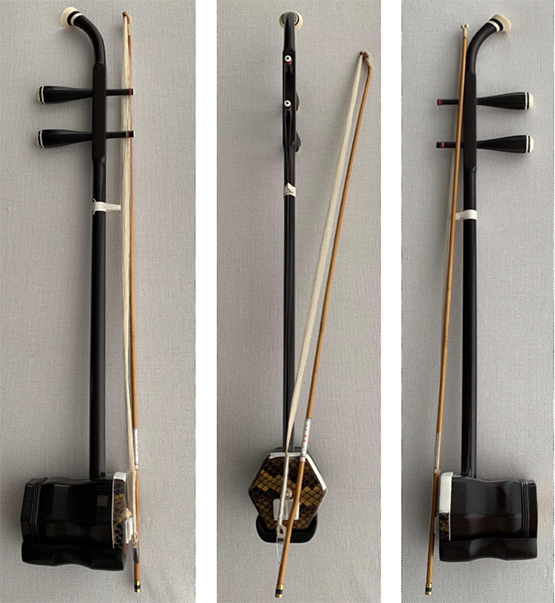
Erhu
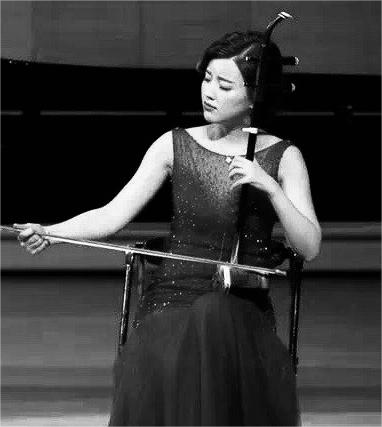
Erhu Performance Demonstration (by LU Yiwen)
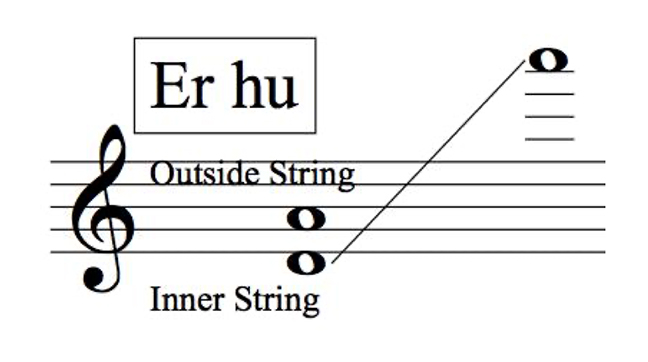
The Erhu generally has two strings, namely the inner string and the outer string, with a bow in between. It is always tuned to the interval of a fifth. In performance and composition, the treble clef is applied in its music notation based on the actual pitch.
Pipa
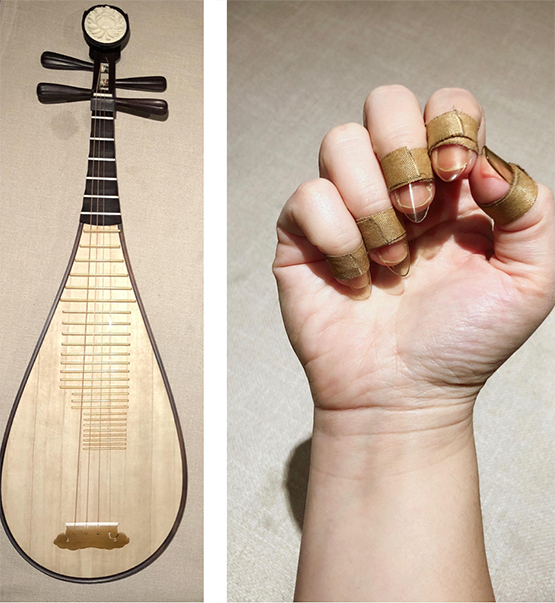
Pipa and the artificial fingernails (right hand)
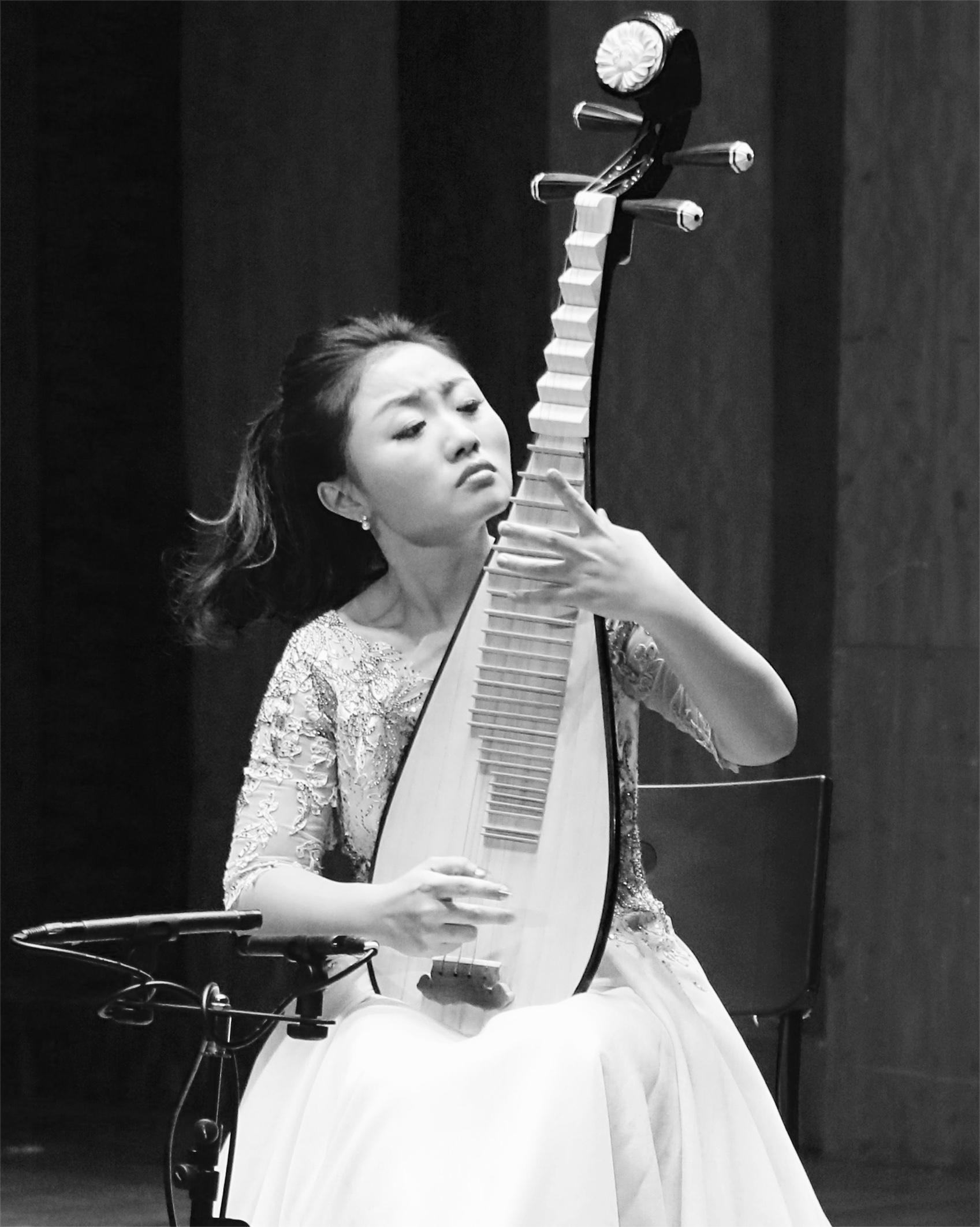
Pipa Performance Demonstration (by SHU Yin)
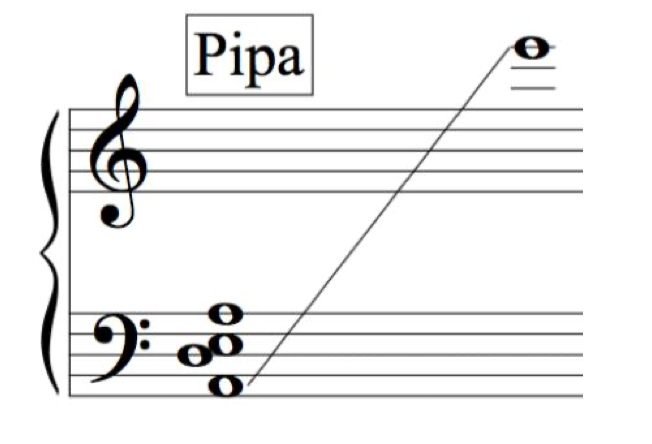
The strings of the Pipa are conventionally tuned to A2-D3-E3-A3. Players always wear the artificial fingernails for Pipa performance. The grand stave is applied in Pipa music notation based on the actual pitch.
Guzheng
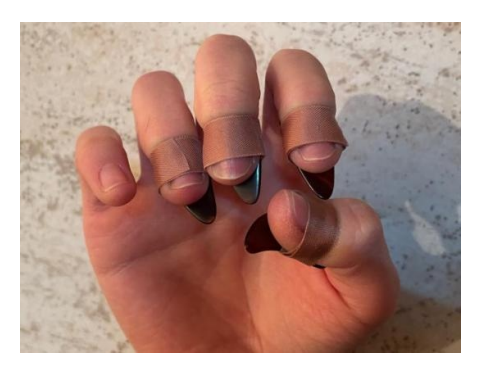
Artificial fingernails
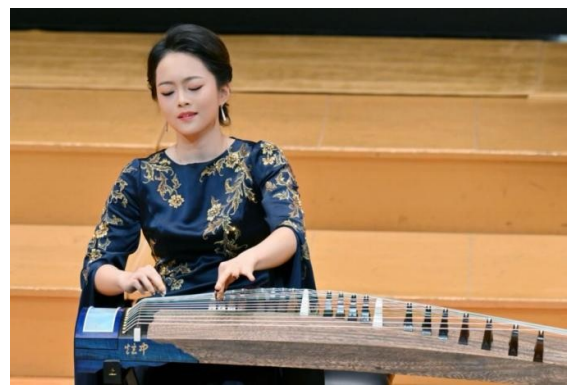
Guzheng Performance Demonstration (by He Qianqian)
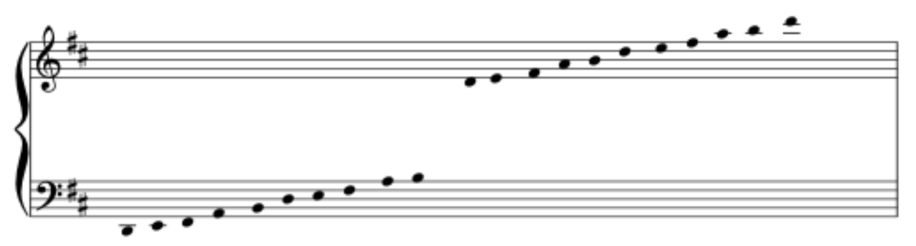
The guzheng (also simply called zheng) originated during theWarring States period.Because it was initially popular in the Qin region, it came to be known as the “Qinzheng.” Its number of strings has evolved over time: during the Tang and Songdynasties it had thirteen strings, in the modern period this increased to sixteen,and today the twenty-one-string model is the most commonly used.
In terms of tuning, traditional guzheng works are mostly arranged according to the pentatonic scale,giving them a simple and elegant tone color. To give each work its own distinctive character, modern composers ofen design artificial tunings for guzheng compositions according to the expressive needs of the music. This approach breaks beyond the framework ofthe traditional pentatonic scale, giving modern guzheng works a unique and varied character.
Sheng
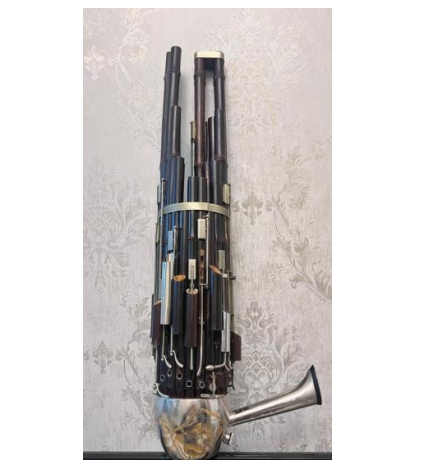
The sheng pictured from the side
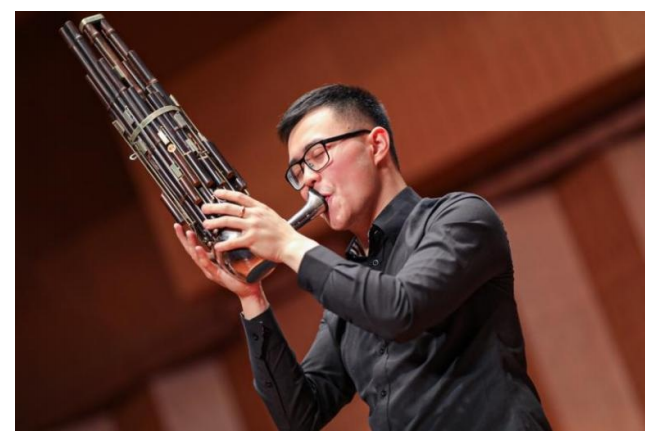
Sheng Performance Demonstration (by HUA Yifei)
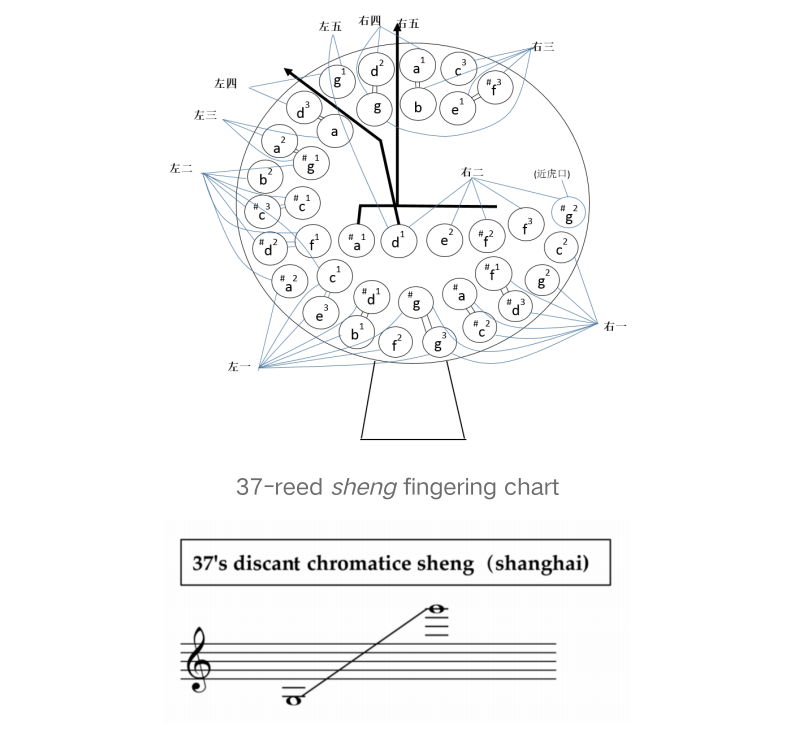
The sheng is the world's earliest free-reed instrument, originating in China more than 3,000 yearsago. The 37-reed sheng is a modernized version developed on the basis of the traditional instrument'stone color and form. It consists of 37 bamboo pipes of varying lengths, also called miaoguan, insertedinto a round copper wind chamber. A reed is fitted at the end of each pipe, and sound can beproduced both by blowing and by inhaling, giving it a clear tone, controllable volume, and stableintonation. Its range is from G3 to G6.
The 37-reed sheng uses both finger holes on the pipes and additional keys, allowing the performer tocontrol chords flexibly. It has a wide range, covering a complete chromatic scale across three octaves,and offers strong modulation capabilities. Its notation is generally written in treble clef, sounding atconcert pitch.
Dizi - Bamboo Flute (including Xiao)
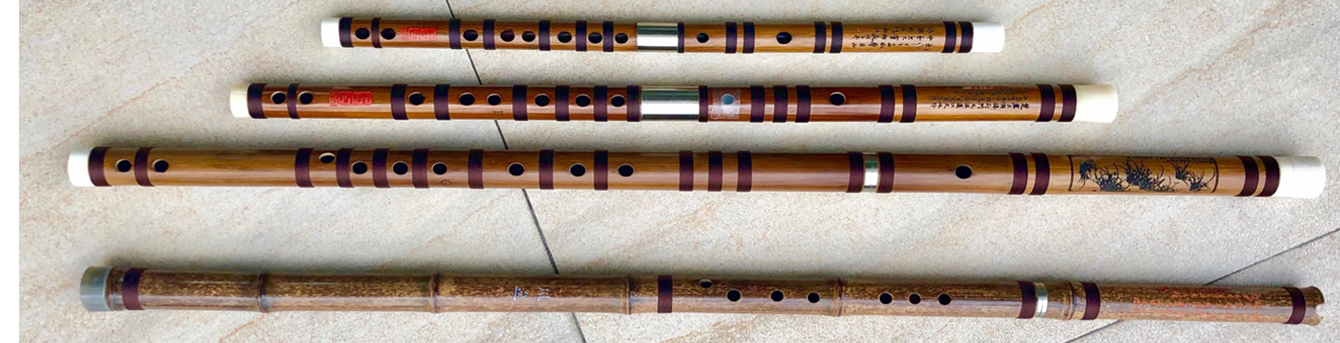
From top to bottom: Bangdi in G-key, Qudi in D-key, Xindi in G key and Xiao in G-key
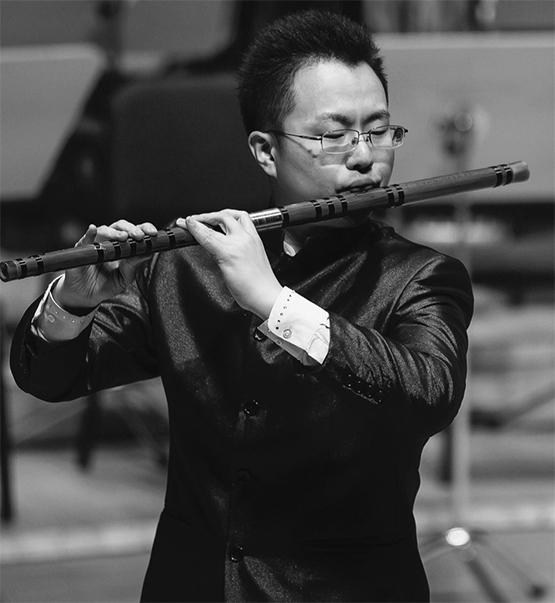
Dizi Performance Demonstration (By WANG Junkan)
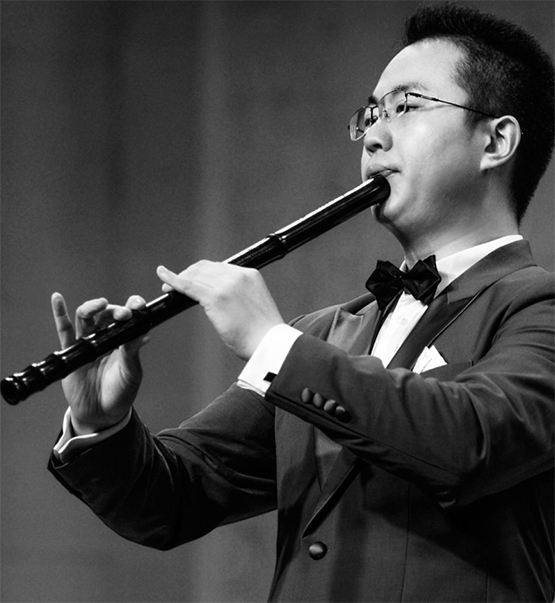
Xiao Performance Demonstration (By WANG Junkan)
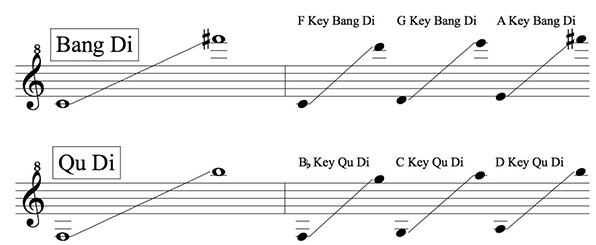
The Dizi is a traditional Chinese transverse flute usually made of bamboo. It has six finger-holes, one blowing hole and one membrane hole. The membrane has a great influence on the sound produced by the flute. Qudi and Bangdi are the most predominant among the many varieties of Chinese flute. To satisfy the needs of different music, professional players usually have a set of dizi, each in a different key and size, where the Bangdi in G-key and the Qudi in D-key are most commonly used. A low octave approach in treble staff is applied to Dizi music notation.
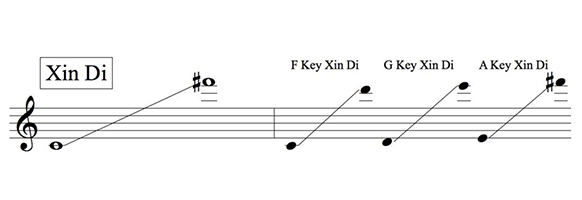
The Xindi is a flute without the membrane hole featuring a lower sound which is similar to Dizi but heavier and louder in general listening. The G-key Xindi is often used, which shares the same pitched-range with Xiao. The treble clef is applied based on the actual pitch. In practice, the xindi can be replaced by other instruments in a similar range, such as Dadi.
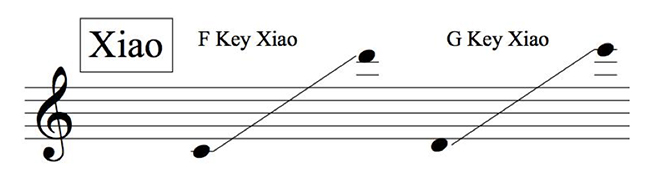
The Xiao is a Chinese vertical end-blown flute generally made of bamboo. Most of the traditional xiao have six finger holes without the membrane hole, featuring a relatively low volume. Today, Xiao is often pitched in G-key, using treble clef in its music notation based on the actual pitch.